Predictive model for epileptogenic tubers from all tubers in patients with tuberous sclerosis complex based on ¹⁸F-FDG PET: an 8-year single-centre study
Yang Li, Other authors — see full paper for complete author list
BMC Medicine, 2023
Abstract
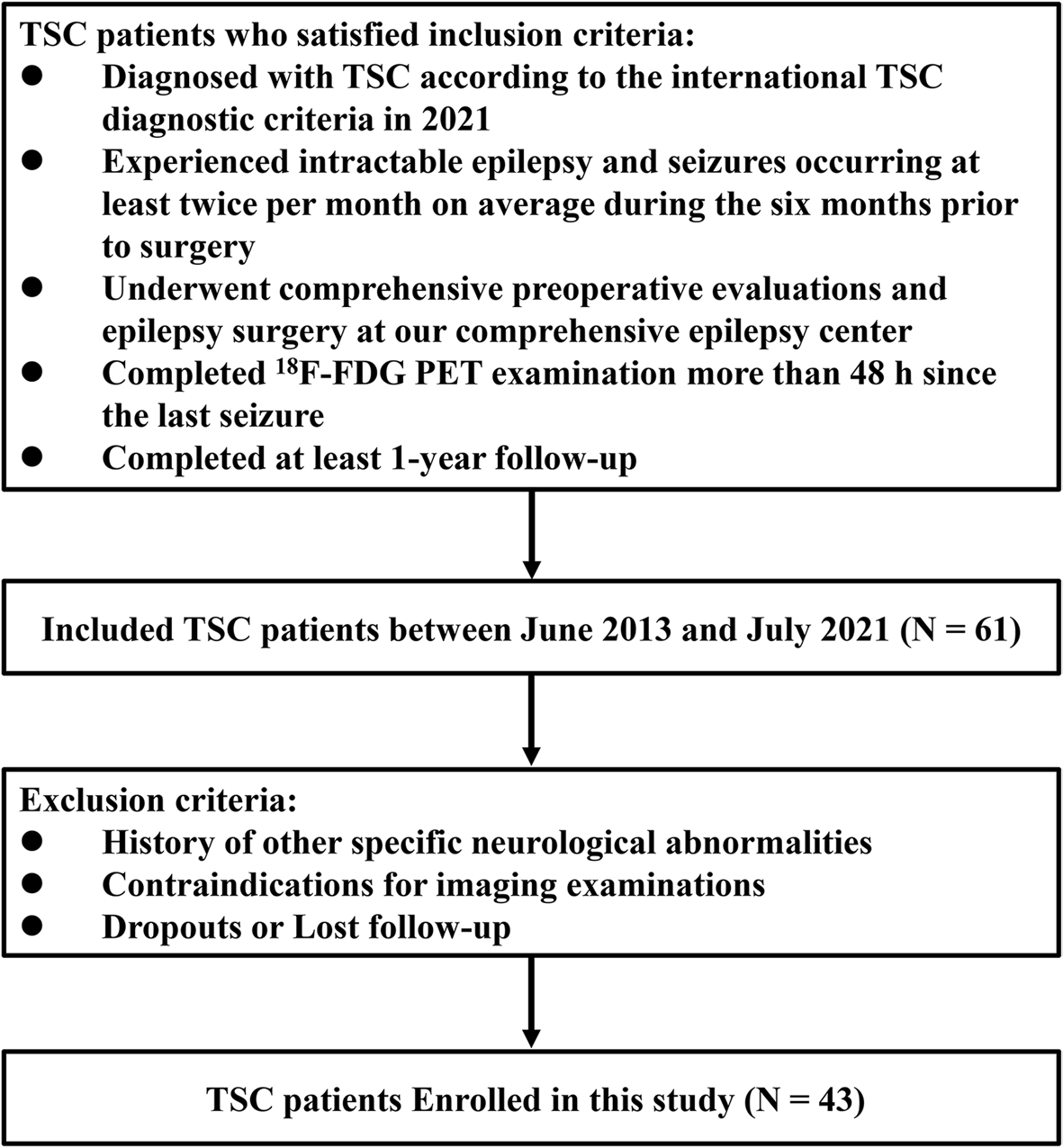
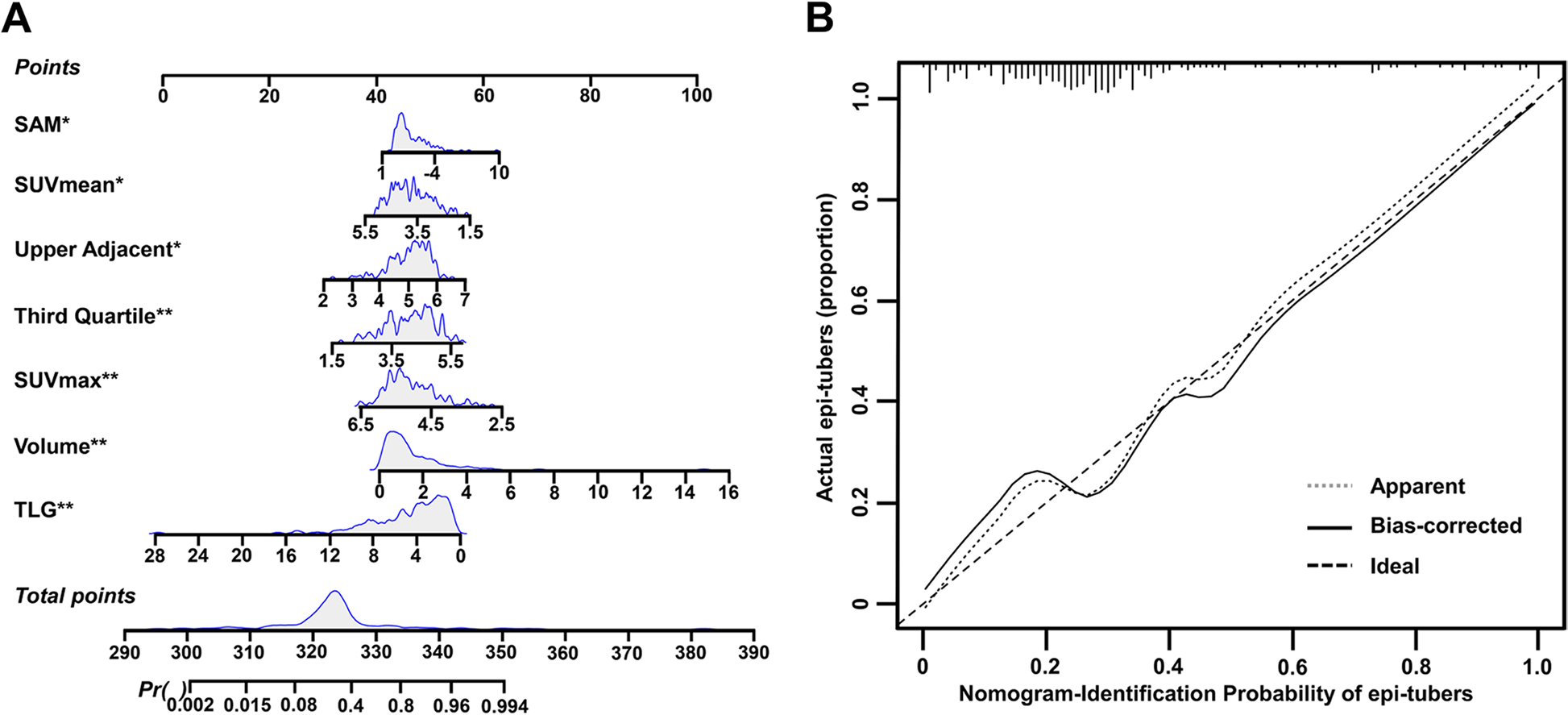
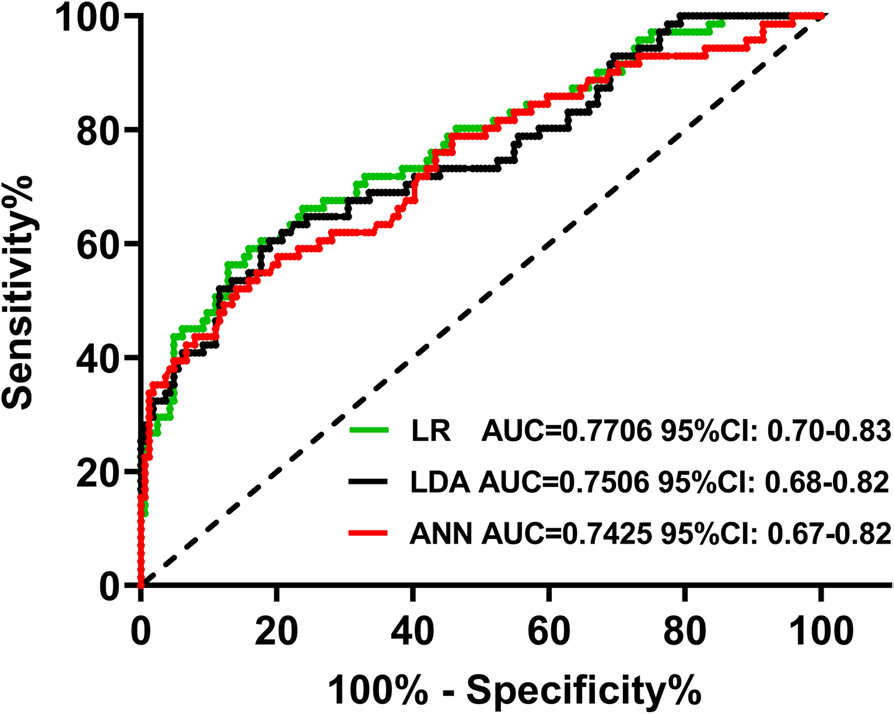
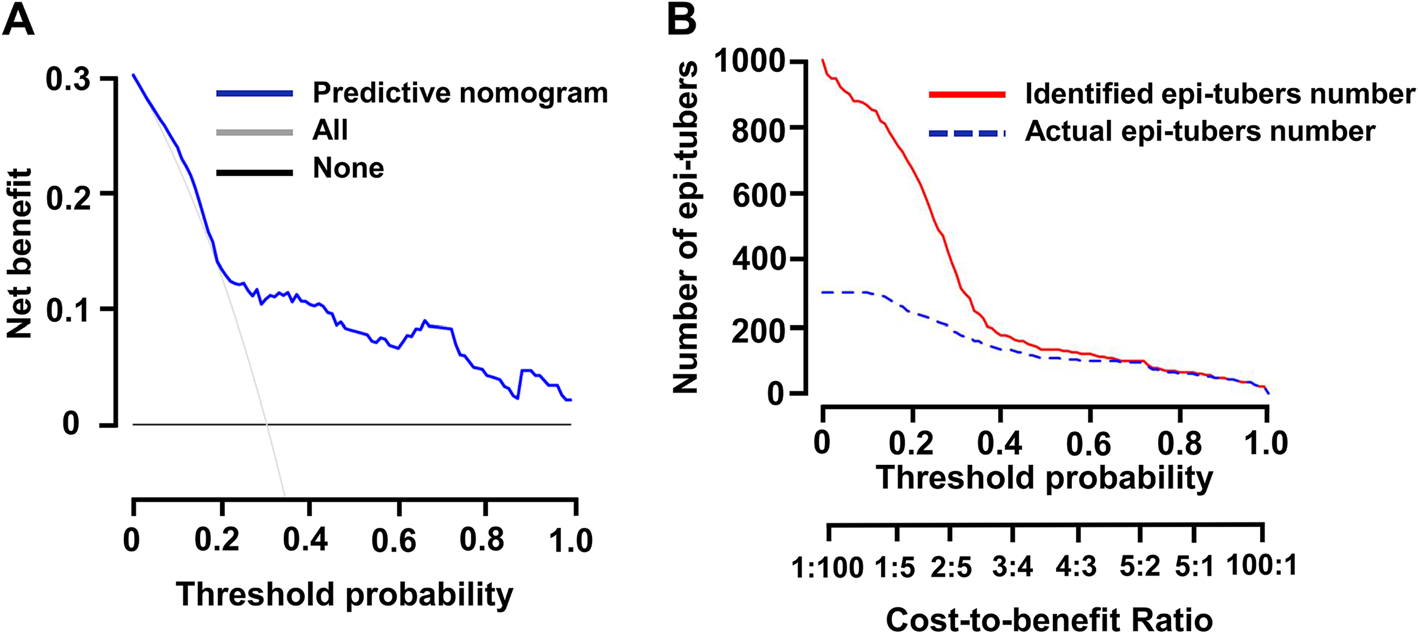
Background: More than half of patients with tuberous sclerosis complex (TSC) suffer from drug-resistant epilepsy (DRE), and resection surgery is the most effective way to control intractable epilepsy. Precise preoperative localization of epileptogenic tubers among all cortical tubers determines the surgical outcomes and patient prognosis. Models for preoperatively predicting epileptogenic tubers using ¹⁸F-FDG PET images are still lacking, however. We developed noninvasive predictive models for clinicians to predict the epileptogenic tubers and the outcome (seizure freedom or no seizure freedom) of cortical tubers based on ¹⁸F-FDG PET images. Methods: Forty-three consecutive TSC patients with DRE were enrolled, and 235 cortical tubers were selected as the training set. Quantitative indices of cortical tubers on ¹⁸F-FDG PET were extracted, and logistic regression analysis was performed to select those with the most important predictive capacity. Machine learning models, including logistic regression (LR), linear discriminant analysis (LDA), and artificial neural network (ANN) models, were established based on the selected predictive indices to identify epileptogenic tubers from multiple cortical tubers. A discriminating nomogram was constructed and found to be clinically practical according to decision curve analysis (DCA) and clinical impact curve (CIC). Furthermore, testing sets were created based on new PET images of 32 tubers from 7 patients, and follow-up outcome data from the cortical tubers were collected 1, 3, and 5 years after the operation to verify the reliability of the predictive model. The predictive performance was determined by using receiver operating characteristic (ROC) analysis. Results: PET quantitative indices including SUVmean, SUVmax, volume, total lesion glycolysis (TLG), third quartile, upper adjacent and standard added metabolism activity (SAM) were associated with the epileptogenic tubers. The SUVmean, SUVmax, volume and TLG values were different between epileptogenic and non-epileptogenic tubers and were associated with the clinical characteristics of epileptogenic tubers. The LR model achieved the better performance in predicting epileptogenic tubers (AUC = 0.7706; 95% CI 0.70–0.83) than the LDA (AUC = 0.7506; 95% CI 0.68–0.82) and ANN models (AUC = 0.7425; 95% CI 0.67–0.82) and also demonstrated good calibration (Hosmer–Lemeshow goodness-of-fit p value = 0.7). In addition, DCA and CIC confirmed the clinical utility of the nomogram constructed to predict epileptogenic tubers based on quantitative indices. Intriguingly, the LR model exhibited good performance in predicting epileptogenic tubers in the testing set (AUC = 0.8502; 95% CI 0.71–0.99) and the long-term outcomes of cortical tubers (1-year outcomes: AUC = 0.7805, 95% CI 0.71–0.85; 3-year outcomes: AUC = 0.8066, 95% CI 0.74–0.87; 5-year outcomes: AUC = 0.8172, 95% CI 0.75–0.87). Conclusions: The ¹⁸F-FDG PET image-based LR model can be used to noninvasively identify epileptogenic tubers and predict the long-term outcomes of cortical tubers in TSC patients.
Cite
Yang Li, Other authors — see full paper for complete author list. Predictive model for epileptogenic tubers from all tubers in patients with tuberous sclerosis complex based on ¹⁸F-FDG PET: an 8-year single-centre study. BMC Medicine. 2023. doi: 10.1186/s12916-023-03121-0